







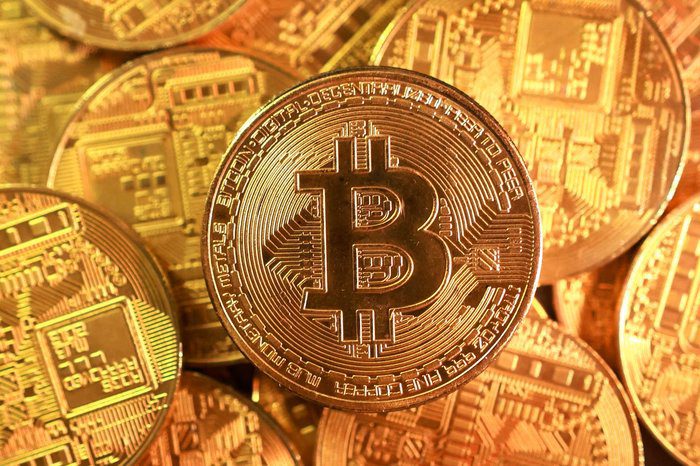
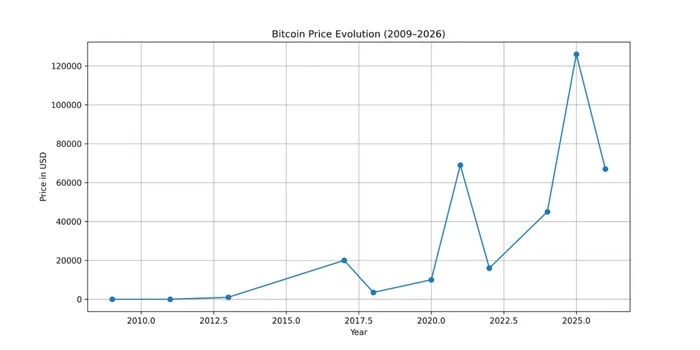
In January 2009, Bitcoin was born. Created by the mysterious Satoshi Nakamoto, it changed the global financial system. What started as an experiment among developers grew into a trillion-dollar market in less than twenty years. The first big ‘bubble’ happened in the early 2010s. Historical reports show that Bitcoin’s journey has been full of wild growth and sharp drops.
In the mid-2010s, Ethereum came onto the scene. It introduced smart contracts and allowed thousands of new tokens to be created. The total market cap soared, surpassing $1 trillion and hitting up to $4 trillion at its peak, according to platforms like CoinGecko. From 2020 to 2021, many private investors jumped in, NFTs boomed, and speculation ran high, pushing Bitcoin to record highs.
But the market showed its cyclical nature again. In 2022 and beyond, major corrections hit with platform failures, pressure on stablecoins, and stricter regulations in the US and Europe. Yet, the ecosystem didn’t collapse. Instead, it became stronger with more transparency and interest from investment funds.
The year 2025 was a big deal. Bitcoin hit a new all-time high of over $126,000, as reported by media like Naftemporiki. This was fueled by more investments in ETF-type products and a better investment climate. But the excitement didn’t last long. By late 2025 and early 2026, the market faced a strong correction. Economy Today noted that total capitalization dropped by about $2 trillion quickly, bringing back uncertainty.
Now, in February 2026, the market looks mixed. Bitcoin trades around $67,000–$68,000—much lower than its recent highs but still above past market ‘winters.’ Financial sources like Barron’s report high daily volatility with prices swayed by macroeconomic data and global risk appetite. Ethereum and other major altcoins are following similar trends, often with even bigger swings.
Market analysts from platforms like CoinDCX and YouHodler say the ecosystem is consolidating. Speculation has cooled down while institutional investors remain active but more careful. The regulatory scene is clearer now, especially in the EU with the MiCA framework, which could stabilize long-term prospects.
The history of cryptocurrencies shows it’s not just a straight path up but a journey filled with cycles where innovation meets risk. From the first digital ‘coins’ traded on tech forums to today’s investment products in institutional portfolios, the market has matured but still carries high risks.
The big question for 2026 isn’t if there will be new volatility—it’s seen as inevitable. The real issue is whether this phase will set up a new upward cycle or lead to a long period of stagnation. Either way, cryptocurrencies are now a permanent part of our global economy, shaping investment strategies, regulatory policies, and how we view money itself.