






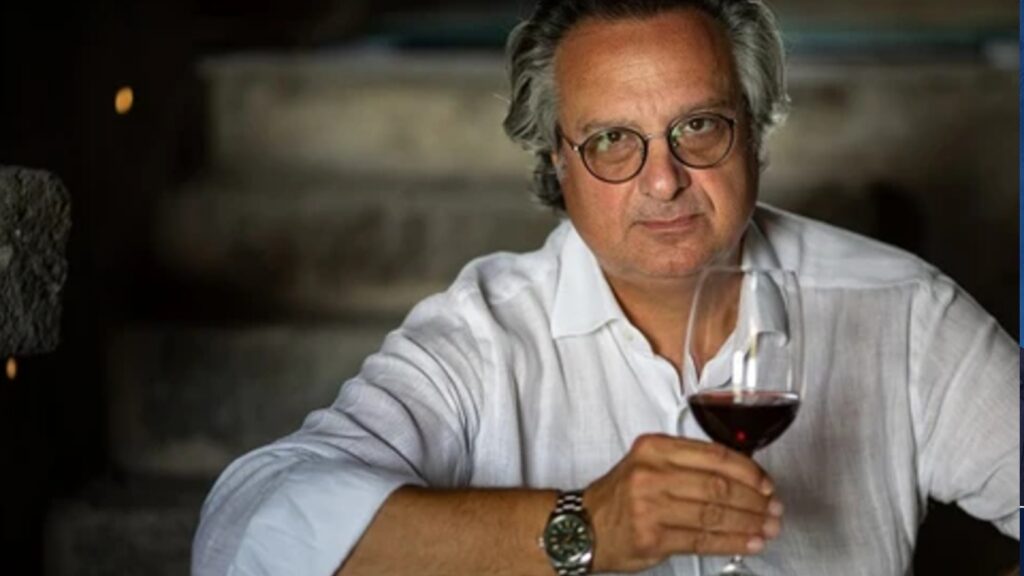
He grew up amongst the vineyards of Tuscany, took over a family-run winery with a history dating back to 1882, and helped expand its presence beyond Italy’s borders. Mario Piccini was in Nicosia to mark the 20th anniversary of Vino Cultura, bringing with him stories spanning five generations of wine-makers.
A disagreement between two siblings over the colour of a label might seem like a minor matter. In the Piccini family, however, it became part of their history. Mario wanted red, his sister Martina preferred yellow, and their father, Pierangiolo, urged them to find a compromise. Orange eventually brought them to an agreement. It was, after all, the colour they saw in the sunsets behind the Chianti hills. And so the distinctive orange label was born, becoming synonymous with the Piccini brand. Mario himself recounts the story on the winery’s official Italian website.

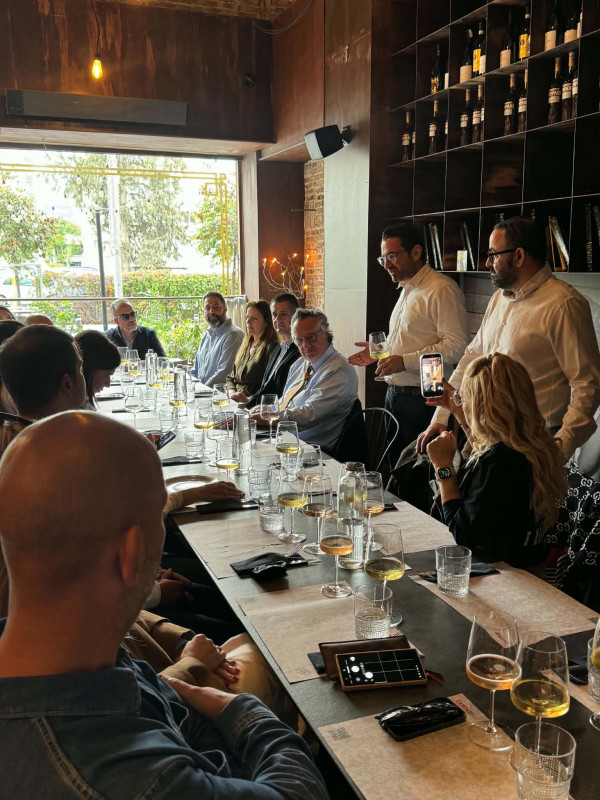
This combination of family ties and business decisions characterises the journey of the head of Piccini 1882, who visited Cyprus to mark the 20th anniversary of Vino Cultura. The events on 10 and 11 November gave the public the opportunity to meet him and discover the family’s wines, through an open wine tasting and a dinner at the Rous restaurant.
For Mario Piccini, his relationship with wine began long before he qualified as a professional. He has described his childhood years in the vineyards of Tuscany, taking part in the grape harvest and working alongside the people in the family business. When he officially joined the business in 1982, at the age of 20, the world of winemaking was already familiar to him.
In 2004, he took over the reins from his father, representing the fourth generation. It all began in 1882, when Angiolo Piccini founded the business in Poggibonsi, Tuscany. In the years that followed, each generation added its own touches, from new vineyards to different ways of presenting Italian wine on international markets.
In his own time, Mario placed particular emphasis on renewal. The rebranding of Chianti reflected a desire to appeal to a younger audience, with a wine that would find its place on the everyday dinner table and at gatherings of friends. The family’s story behind the orange label captures precisely this endeavour: to maintain a connection with the land, whilst adopting a more contemporary expression.

At the same time, the family’s wine-growing portfolio has expanded. The volcanic regions of Basilicata and Etna have been added to Tuscany, with the Regio Cantina and Torre Mora estates. In 2018, the acquisition of the historic Chianti Geografico was completed, whilst in 2022 Porta Rossa in the Langhe joined the group. These are distinct regions, each with their own grape varieties and growing conditions, which have expanded Piccini’s operations to encompass more facets of the Italian vineyard.
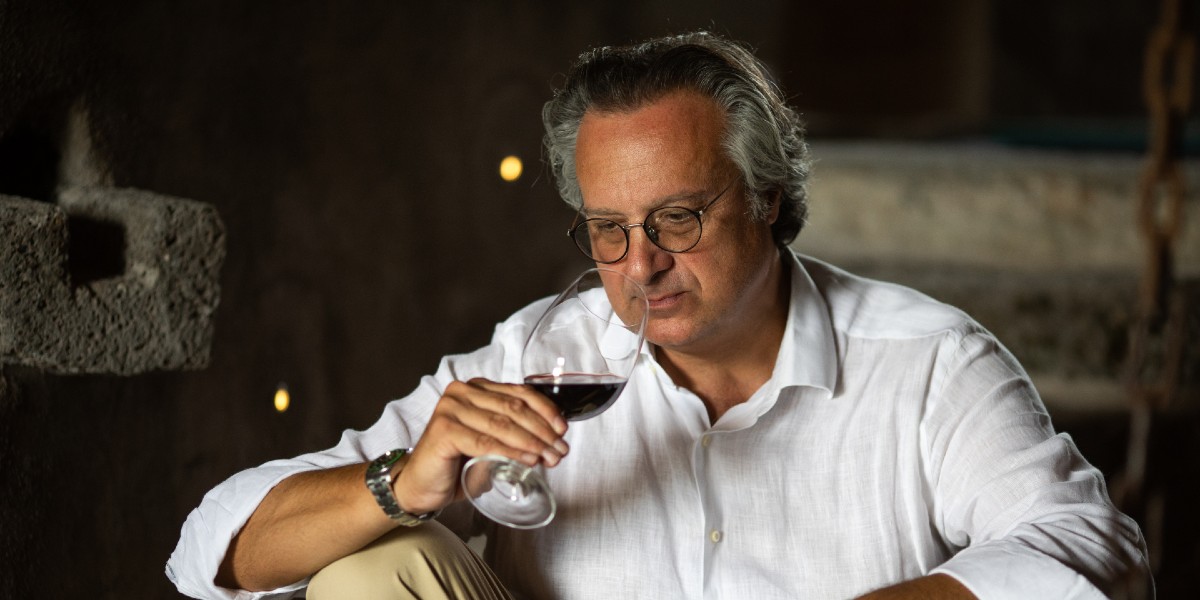
Today, Mario is joined by his children, Ginevra, Benedetta and Michelangelo, the fifth generation of the family. According to the winery, they began working in the business in 2017. In their profile on Piccini’s Italian website, Benedetta describes the company as a sister, whom the family jokingly refer to as the ‘eldest’. A small detail that shows just how closely their personal and professional lives remain intertwined.
The visit to Nicosia also brought news of future developments. As Mario Piccin mentioned, the company’s plans include exploring a potential acquisition in Romania within the sparkling wine sector. Meanwhile, the Rosa del Chianti rosé is expected to hit the Cypriot market in February 2027. Its launch in Cyprus was in keeping with the spirit of the Vino Cultura anniversary, an opportunity to get to know the man behind the bottles. With the memories of a child who grew up amidst the grape harvest, the decisions of an entrepreneur and a family dispute which, years later, is still recognised on an orange label.