






The debate is heating up as protests and warnings grow over a draft law being reviewed by the parliamentary Health Committee. This law deals with naturopathy and traditional acupuncture/electroacupuncture services. Patients and the Acupuncture Physiotherapists Association are raising alarms, asking Parliament to withdraw the proposal. They fully support the views of the Pan-Cyprian Medical Association from last week.
They argue that the proposal brings in practices and techniques of questionable quality and safety for patients.
Professionals point out in their announcement that even though the proposal directly involves acupuncture and health professions, the scientific association, which is the expert body of the Pan-Cyprian Physiotherapists Association on acupuncture, was not invited to any consultations. They call this “institutionally unacceptable, scientifically dangerous, and unethical.”
The proposed law could open a risky door for unscientific and anti-vaccination views to enter state health policy, both in GHS and the private sector. The scientific association claims that anti-vaccination actions and rhetoric are key parts of their view on health and disease.
They also warn that passing this proposal would make Cyprus a “negative exception and laughingstock in Europe.” It would undermine evidence-based medicine principles and let unscientific and anti-vaccination beliefs into the health system. They describe it as a “health coup,” noting that there has been no necessary reliability check on those promoting naturopathy, misleading Parliament.
The EBFC argues that the draft law tries to make naturopathy a recognized health profession, using acupuncture as a “legislative vehicle” and “Trojan Horse.” They stress that naturopathy is not recognized as a health profession in Europe, lacks evidence-based diagnostic practices, is classified internationally as alternative/complementary practice, and does not match university-level studies in health sciences.
The Association urges the Parliamentary Health Committee to invite EBFC for consultation right away and asks parties to reject the draft law. They say it threatens public health, legitimizes unscientific practices, undermines health professionals’ roles, and harms Cyprus’s international reputation.
The Cyprus Patients Federation also strongly opposes this draft law, stating in its announcement that it “goes against evidence-based practice principles and essentially legitimizes techniques of questionable effectiveness and quality within the health system.”
“Patient safety is non-negotiable and is the first principle of any health system,” says OSAK. It adds that among other things, “the draft law includes various practices like herbs, energy therapies, dubious diagnostic methods, and different acupuncture variations without clear scientific distinctions.”
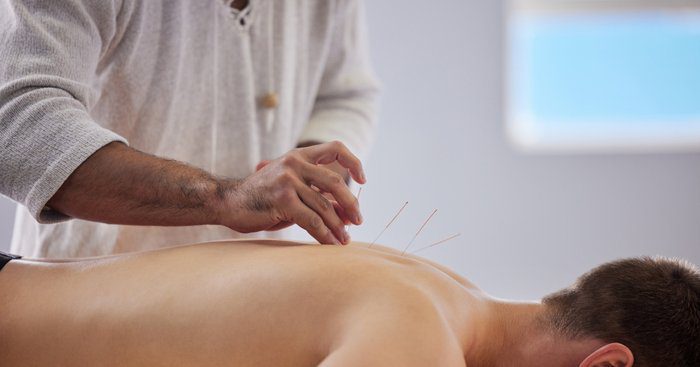
The draft law also lets included professionals advise patients with chronic diseases, prescribe herbal therapies and supplements with real pharmacological effects, and use invasive methods like needles and electricity. Without proper clinical training, this can lead to mistakes, interactions, and delays in diagnosing serious conditions.
OSAK refers to the World Health Organization’s strategies for traditional and complementary medicine:
- No practice should be integrated into health systems without strict safety and effectiveness evaluation
- Regulation should be based on clinical risk
- Patients must be protected from practices lacking sufficient scientific basis or with misleading claims.
“In our view, the draft law creates dangerous confusion between scientific medicine and unproven practices. It legitimizes practices without proven effectiveness, ignores safety principles, fails to ensure transparent education levels, creating fertile ground for replacing evidence-based therapies with unreliable practices.”
The Cyprus Patients Federation aligns its views with those of the Pan-Cyprian Medical Association. It calls on parliamentary parties to reject the draft law.
It’s worth noting that last Friday, the Pan-Cyprian Medical Association publicly addressed this issue. Its representatives warned of serious risks if this draft law becomes law.
The draft law was discussed last Thursday by the parliamentary health committee. Doctors and organized patients were not invited to participate in the session.