


The Cyprus Copper Route is a unique self-drive tour that reveals the crucial role of copper in shaping the history, economy, and culture of Cyprus.
Cyprus, the third largest island in the Mediterranean after Sicily and Sardinia, was for centuries the largest producer and exporter of copper in the ancient world. Copper and its alloys were essential materials for the development of major civilizations across the Mediterranean.
Why Copper is Vital to Cyprus
The very name Cyprus (Kypros) gave rise to the metal’s name:
- in Roman times, copper was called Aes Cyprium (metal from Cyprus)
- later it evolved into Cyprium and eventually Cuprum
- from there comes the word copper in most European languages
Cyprus’s contribution to the technological and commercial world of antiquity was decisive.
Geological Formation and Troodos
The formation of Cyprus began about 90 million years ago at the bottom of the ancient Tethys Ocean. Intense underwater volcanic activity created copper deposits now found around the Troodos ophiolite complex.
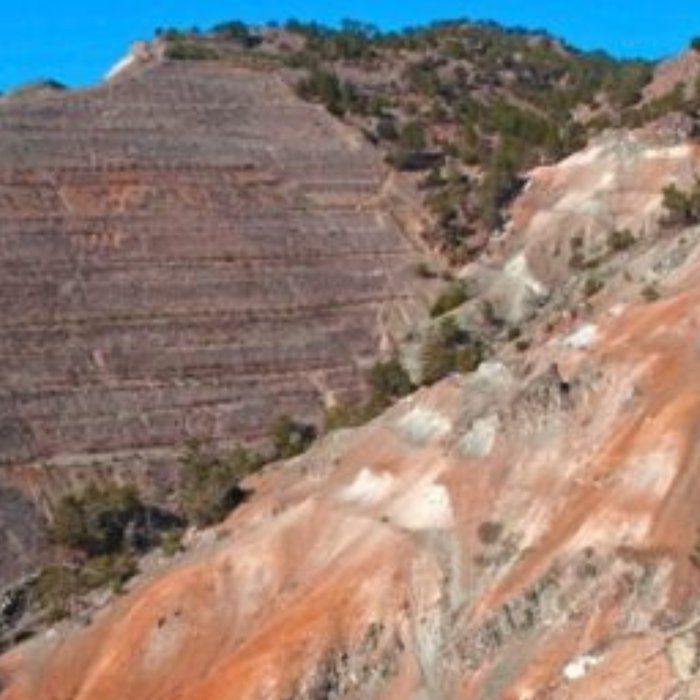
With the uplift of mountains, deposits were exposed to erosion, forming characteristic colored “gossans” in shades of red and yellow, which helped ancient miners locate ore-bearing areas.
Copper deposits in Cyprus:
- range from 50,000 to 17 million tons
- contain mainly iron, sulfur, and copper
- copper content reaches up to 15% in enrichment zones
Ancient Mining and Metallurgy
Copper mining in Cyprus began as early as the 4th millennium BC. Archaeological findings include:
- jewelry (earrings, hair spirals)
- tools (chisels, blades)
- ritual objects
During the Late Bronze Age (1600–1050 BC), copper was transported in distinctive oxhide ingots weighing 22–29 kilograms, found in shipwrecks and archaeological sites throughout the Mediterranean.
Significant written evidence for copper trade:
- tablets from the kingdom of Mari (Syria) – 18th century BC
- Amaarna tablets (Egypt) – 14th century BC
The Environmental Cost
The production of 1 kilogram of copper required about 300 kilograms of charcoal, leading to extensive deforestation of Troodos forests in antiquity.
Todays discoveries include:
- over 100 slag heaps
- approximately 4 million tons of waste
- a result of producing 200,000 tons of copper over 3,000 years
The Copper Route (Route 1)
The proposed route includes significant stops:
- Sia / Sia – impressive gossans and ancient mines
- Mathiatis (South & North Mine) – mining from the 2nd millennium BC
- Aghia Varvara Almyras – unique archaeological site with all stages of copper production
- Katydata – Mining Heritage Museum
- Skarinou – oldest and longest-operating active copper mine in the world
Modern Mining
Copper production continues today at Skarinou Mine, managed by Hellenic Copper Mines, with modern and environmentally controlled methods. The mine has been operating since 1996 and produces pure copper sheets through:
- alert extraction
- alert solvent extraction
- alert electrowinning
⚠ Important Safety Tips
- Avoid approaching steep slopes or abandoned galleries abruptly
- Avoid entering mine lakes (the water is toxic)
- Caution with children is advised
- Acknowledge the ceasefire line near Skarinou
✨ The Cyprus Copper Route is not just a tour; it is a journey through 90 million years of geology and 5,000 years of human history, revealing why Cyprus was known as the island that gave its name to copper.
Katerina Christofi writes this article.


