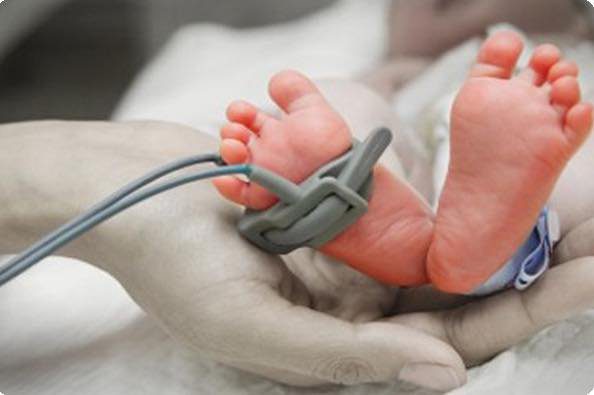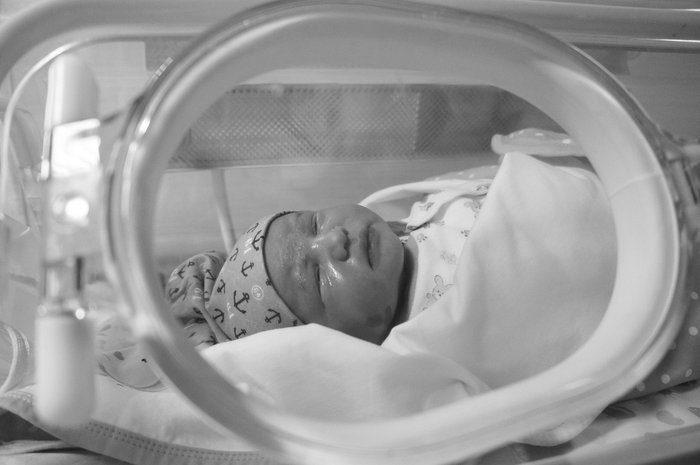
The quick and effective response of the Ambulance Service saved a mother and her premature baby. This event deserves recognition. It also highlights a pressing issue—the urgent need for incubators in ambulances.
The woman was only 27 weeks pregnant when she gave birth at home and experienced bleeding, creating a critical situation. The Ambulance Service crews acted calmly and professionally. They stabilized both the mother and the newborn and safely transported them to the hospital.
According to the head of the Service, Riana Constantinou, such cases need immediate action, proper training, and strict protocols. This rescue shows that the staff is ready to respond even in tough situations. It also emphasizes how crucial it is to have incubators for premature newborns in ambulances. The first few minutes are vital for a premature baby’s survival, and having the right conditions can save lives.
The good news is that the mother is healthy, and the newborn is under medical care, fighting its own battle. However, this operation reminds us that equipping ambulances with necessary tools is essential. Every similar incident should be handled under the best possible conditions.
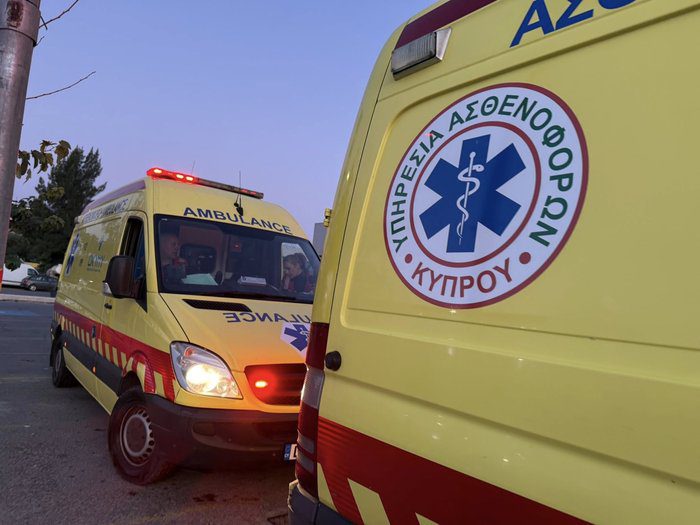
It’s important to note that Cyprus has a limited number of specialized units for transporting premature newborns. This shows how vital it is to equip the Ambulance Service with the right tools for safely transporting these vulnerable patients. Incubators are essential for transporting premature newborns but are only available in specific specialized mobile units. Transporting these infants needs special conditions, a stable thermal environment, and expert medical support—things not available in every ambulance.
In 2024, the Service received two mobile neonatal rescue units thanks to a donation. However, there are still not enough of these units, meaning that responding quickly to such incidents relies on having these specialized ambulances available.