







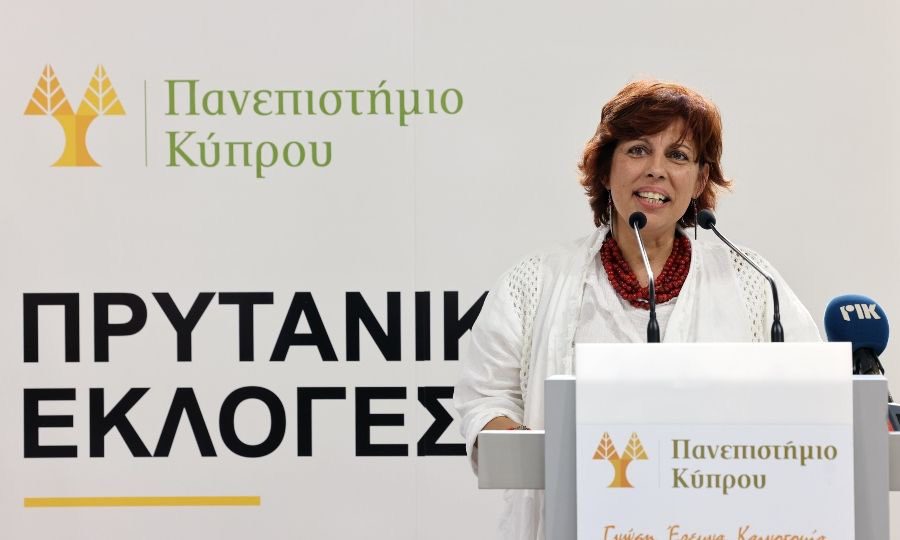
Why does «πωλήτρια» (saleswoman) sound perfectly ordinary, while «βουλεύτρια» (female member of parliament) sparks debate? And why is «μαγείρισσα» (female cook) familiar, while «πρυτάνισσα» (female university rector) sounds unusual to some speakers? In a statement on feminine occupational nouns, the Linguistic Society of Cyprus addresses questions raised in public debate. It explains that forms such as «βουλεύτρια», «δικάστρια» (female judge) and «πρυτάνισσα» are grammatically correct and use suffixes that have been part of Greek for centuries.
How feminine job titles are formed
Greek has established patterns for forming feminine nouns. The suffix «-τρια» appears in words such as «χορεύτρια» (female dancer) and «πωλήτρια». The same pattern gives us «βουλεύτρια» and «δικάστρια». Similarly, «πρυτάνισσα» takes the suffix «-ισσα», which is also found in familiar words such as «μαγείρισσα».
The Society links the relative rarity of some job titles to women’s historically limited access to certain professions and public offices. As women began to take up positions long held mainly by men, there were more occasions to name them by their roles. Greek already had the means to form the relevant titles.
How the prestige of a role affects acceptance
How often we hear a word shapes how natural it sounds to us. The Society points out that a form may be heard less often because opportunities to use it are limited or because people are reluctant to use it. It suggests that resistance tends to be stronger for positions of high social standing.
For example, «δικάστρια» and «καθαρίστρια» (female cleaner) follow the same grammatical pattern but are often received differently. The Society finds a similar contrast between «πρυτάνισσα» and «μαγείρισσα». Historically, it notes, masculine titles became associated with the prestige of positions dominated by men. That association may still shape preferences for alternatives such as «η πρύτανης» or «η δικαστής», which use the feminine article with the traditionally masculine noun.
The Society also examines the idea that «-ισσα» has a disparaging ring to it. It notes that the same suffix appears in «βασίλισσα» (queen), «αρχόντισσα» (noblewoman) and «καπετάνισσα» (female captain). These examples show why the social perception of a title needs to be considered independently of its grammatical form.
What the genitive case shows
The statement also examines a practical issue of declension. Speakers who use «η δικαστής» encounter alternatives such as «της δικαστή» and «της δικαστού» in the genitive. Alongside «η πρύτανης» for a university rector, there is also the archaic form «η πρύτανις – της πρυτάνεως». The Society notes that «πρύτανις» was historically masculine.
The feminine forms decline in familiar ways. The genitive of «δικάστρια» is «της δικάστριας», of «βουλεύτρια» «της βουλεύτριας», and of «πρυτάνισσα» «της πρυτάνισσας». The difference is easier to see in phrases such as «η απόφαση της δικάστριας» (the judge’s decision) or «η ομιλία της πρυτάνισσας» (the rector’s speech).
Women’s visibility in public discourse
For the Linguistic Society of Cyprus, the discussion is also about how women’s presence in public life is made visible. Titles such as «βουλεύτρια», «δικάστρια», «καπετάνισσα» and «διδακτόρισσα» (woman with a doctorate) explicitly name women in those roles, including in areas where their participation was historically limited.
The Society observes that these forms are becoming more widely used and stresses that initial discomfort with a word may fade as it is heard more often. In a news story about parliament, a court report or a university announcement, feminine titles draw on existing forms in Greek to say clearly what role a person holds.