






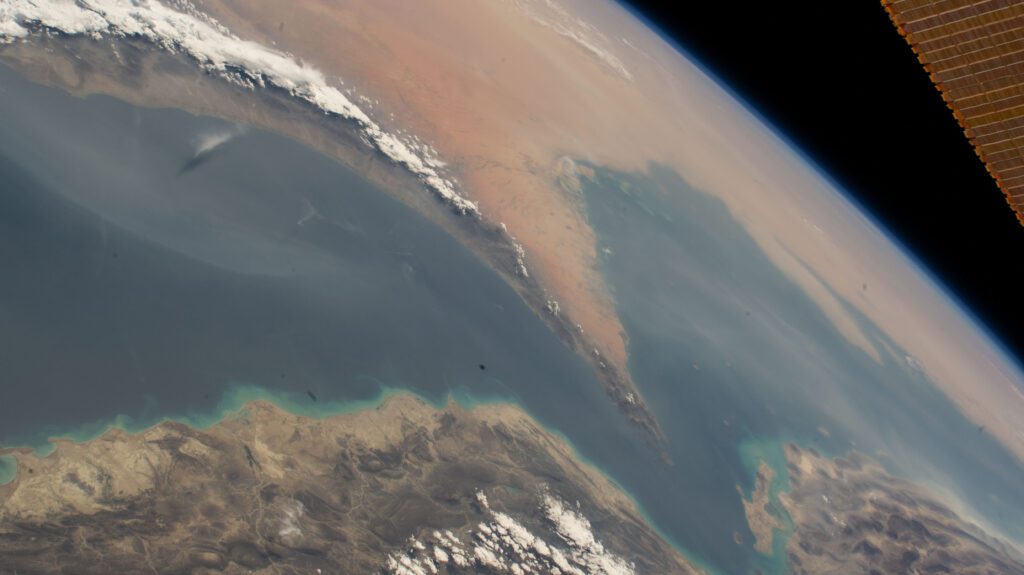
The disruption to normal shipping traffic through the Strait of Hormuz is prompting many countries to seek new suppliers and to rely more heavily on the energy they can produce themselves. In its latest annual report, the International Energy Agency estimates that the longer the crisis lasts, the more likely it is that these alternatives will become permanent.
In one of the report’s scenarios, if the risk to ships remains high, new pipelines, alternative supplies and lower demand could reduce oil flows through the Straits from around 20 million barrels a day before the crisis to 8.5 million by 2030. This estimate depends on the duration of the crisis and the decisions taken by individual countries.
In all the report’s scenarios, electricity generation from renewable sources and nuclear power stations increases. Photovoltaics account for the largest share of the growth in renewable energy, as governments seek ways to limit their exposure to fluctuations in fuel prices.
Ο.