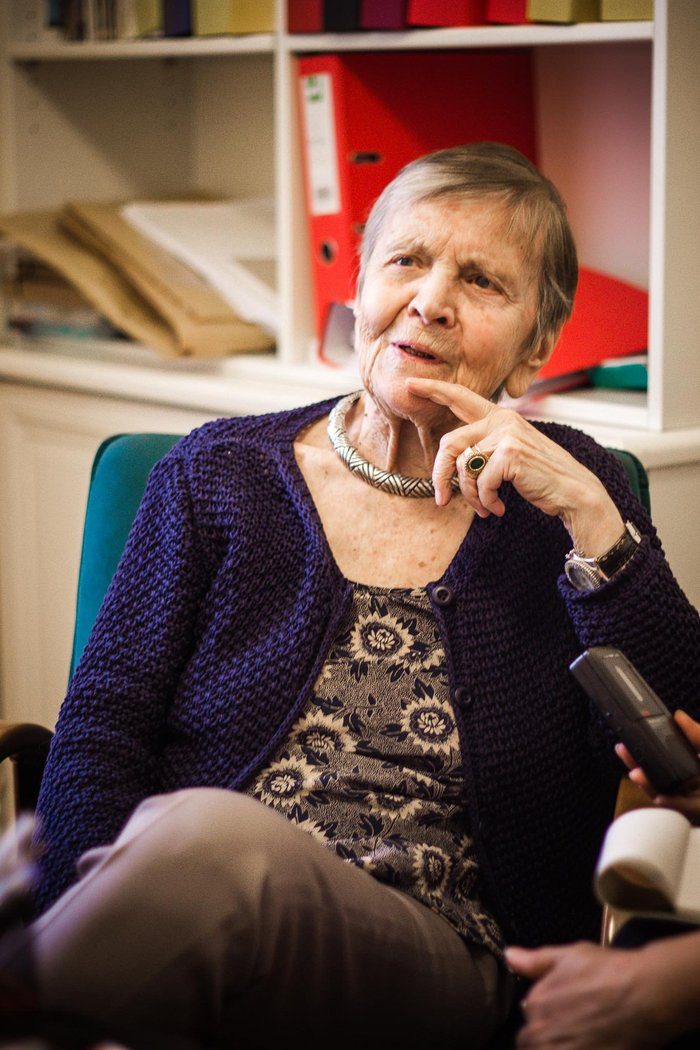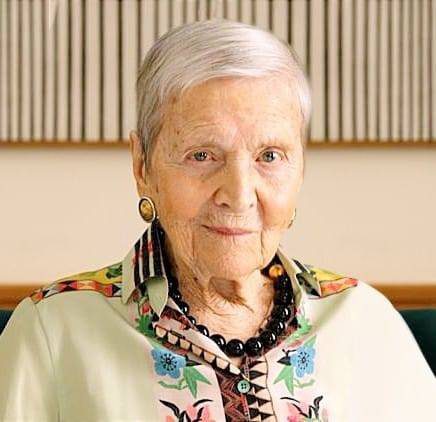







A few months shy of turning 100, the famous Byzantinologist Eleni Glykatzi Arveler passed away, leaving a remarkable legacy.
The respected Greek Byzantinologist died at 99 in Paris. She devoted her life to studying the Byzantine Empire and showcasing its role in European and global history. Throughout her career, she not only excelled but also made history. In 1976, she became the first female rector in the 700-year history of Sorbonne University, breaking barriers for future generations.
She studied History and Archaeology at the National and Kapodistrian University of Athens and showed her love for research early on. In 1953, she moved to Paris, where her career took off. She joined the National Center for Scientific Research (CNRS), became a director of studies, and later a professor at the Sorbonne, greatly boosting the global recognition of Byzantine studies.
She also served as a UNICEF Goodwill Ambassador and led important cultural and scientific organizations, including the Georges Pompidou Center. Her impact went beyond academia. Works like “Byzantium and the Sea,” “The Political Ideology of the Byzantine Empire,” and “Why Byzantium” became essential references for historians worldwide.
Eleni Glykatzi-Arveler received honors from top universities, including Harvard University, and was a member and honorary doctorate of many academies. She also earned significant awards from France and other countries for her contributions to science and culture.
Her influence wasn’t just academic. Her poems were set to music by composer Nikos Platanos and performed by Giorgos Dalaras, showcasing her diverse talents and deep ties to Greek culture.