







India had not cut interest rates since March 2020, when the country faced a recession caused by the pandemic.
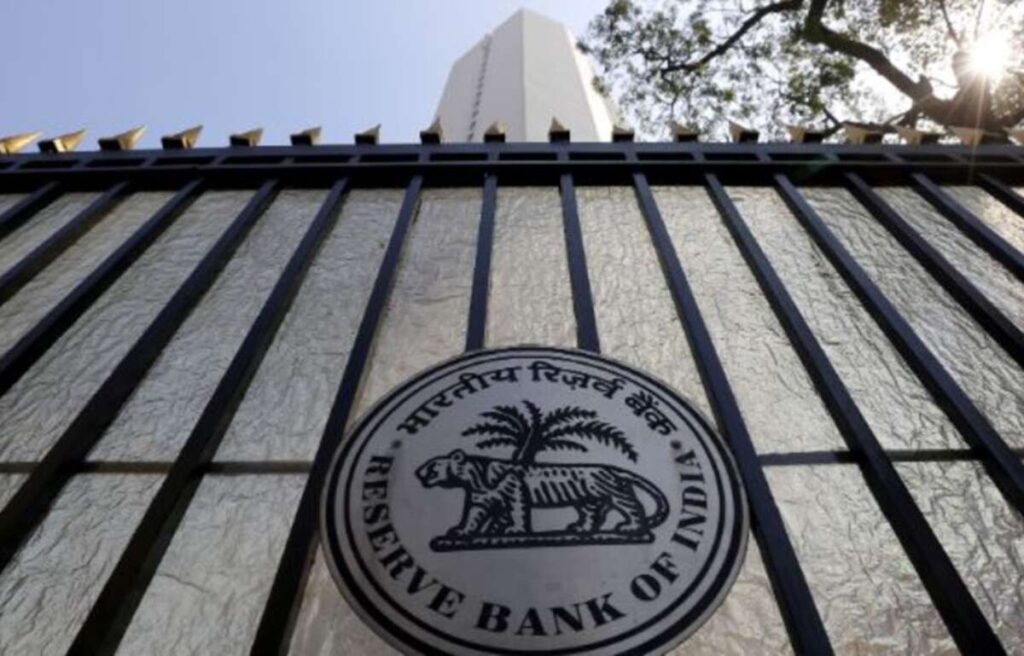
For the first time in five years, the Reserve Bank of India (RBI) cut its key interest rate to give a boost to an economy that is showing signs of slowing down.
The Monetary Policy Committee decided to cut the repurchase rate by 25 basis points to 6.25 per cent, RBI Governor Sanjay Malhotra said on Friday.
India: Modi ‘enlists’ middle class to revive growth
The rate cut was widely expected and marked the RBI’s first rate cut since May 2020, when the country faced a pandemic-induced recession.
Growth forecasts
The central bank has set its real GDP growth forecast at 6.7% for fiscal 2026, while inflation is projected at 4.2%.
For the financial year ended March this year, the RBI has forecast real GDP growth at 6.4%, the worst in four years, against 6.6% earlier, while the inflation rate forecast was maintained at 4.8%.
The 10-year bond yield rose by more than 4 basis points to 6.7%.
The benchmark repo rate has remained steady at 6.5% for the past two years as domestic inflation remained above the central bank’s medium-term target of 4%.
After peaking in October, consumer price inflation in India eased, falling within the central bank’s 6% tolerance ceiling, reaching 5.22% in December and 5.48% in November.
The Indian government has been steadily lowering its full-year real GDP forecast after economic growth showed that it fell well short of expectations in the quarter ended September, when it expanded by 5.4% – its slowest expansion in almost two years.
With the rupee hitting record lows against the dollar, any cuts in the bank’s policy rate could trigger a further rise in domestic inflation, putting further pressure on the currency and potentially triggering capital outflows, CNBC notes.
The RBI is moving towards substantial intervention in the foreign exchange market to help counter possible sudden foreign capital outflows and prevent any sharp fall in the currency.