


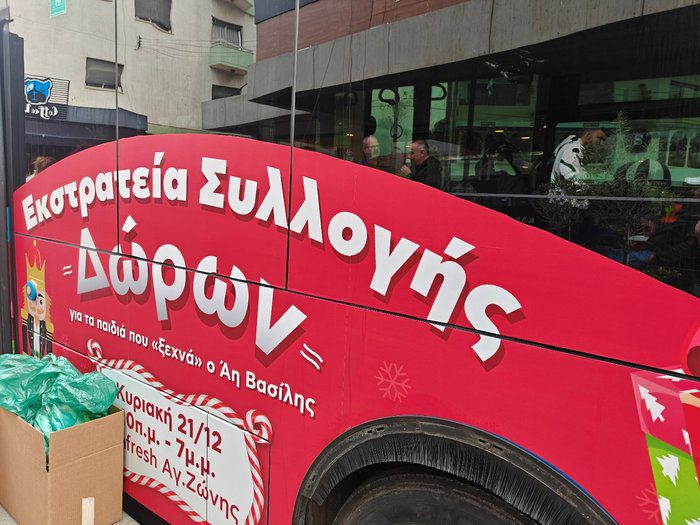
“Will all the children in the world receive a gift?”
I was on the Emel bus, helping Nitsa, the star of this effort, hand out gifts.
An elderly man came with a little boy. He was no more than 3 years old. The boy held a huge gift, almost as big as him. He handed it to me with excitement, but I sensed he wanted more than just a thank you. I said it anyway, but before I could finish, he leaned in and asked me, almost anxiously.
“Will all the children in the world receive a gift?”
I didn’t see that coming. What do you say to him? I had only a few seconds to think. In the end, I told a little white lie.
“Yes, my friend, we make sure all the children in the world get a gift,” I replied. It sounded good and made our effort seem even more special. But it was definitely a harmless little lie.
He smiled so wide that his cheeks almost turned red with joy. It reminded me of when you’re in elementary school and your friend tells you that the girl you like “loves” you back. Something like that.
We wished happy holidays with my little friend and his grandfather, who smiled throughout our chat for his own reasons. They left after enjoying a tasty snack and some juice.
And they left behind just the little boy’s question and that giant gift.
That’s when you realize how simple yet complex empathy can be. It’s not about big words or theories. It’s about bending down to a child’s level and answering their important questions seriously.
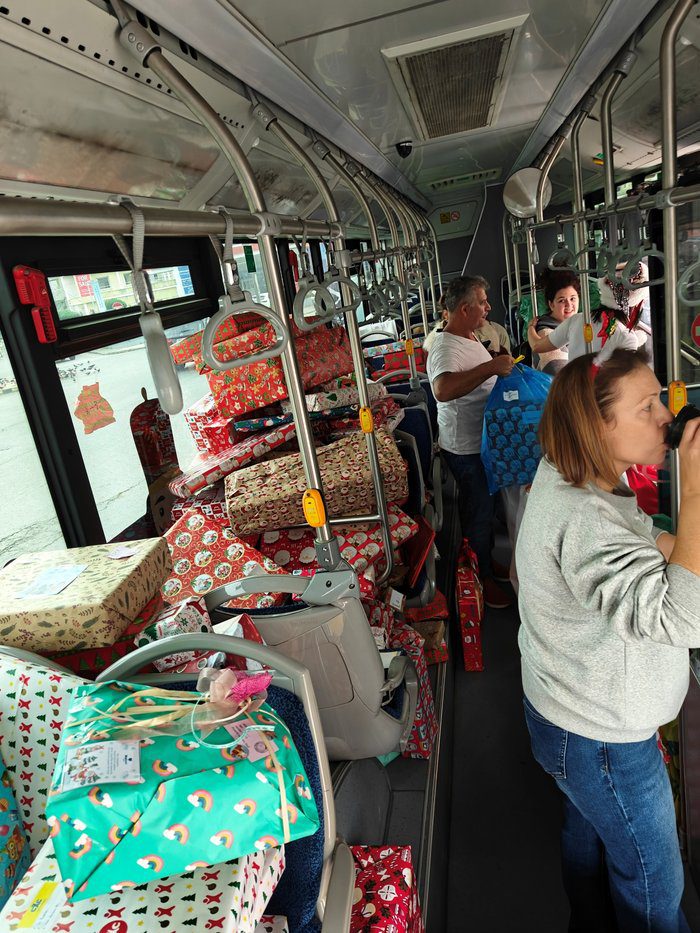
This is probably the most insignificant yet significant story I have from this event, organized successfully by Channel 6, along with EMEL and SunFresh bakeries in Limassol.
A lot of people showed up. Different folks with different stories. But they all shared one thing: that smile of giving. A smile that doesn’t need applause.
No, my friend – let me tell you because you might not know how to read yet – we can’t guarantee gifts for every child in the world. But we can confidently say that several hundred kids will learn that Santa losing their address isn’t enough reason not to get a gift this time of year. Just a few moments of joy that they don’t often experience.
The 10 or 15 euros we spend on an extra gift is such a small price for the joy it brings. That’s a great deal! An amount we often overlook for ourselves but means everything to a child during the holidays.
From Pournara and Limnes to kindergartens, primary schools, orphanages, and welfare offices redistributing to families in need. So many kids who have faced tough times will receive a gift. Isn’t that wonderful?
The children who came to give gifts to others enjoyed face painting, colorful fun, snacks, and juices. For a while, time seemed to slow down.
Is a gift really that important? If we pause and think back to our childhoods, we’ll know the answer.
Yes, a holiday gift is one of the most insignificant yet significant things for a child, just like Bromberger said about football.
Words are easy. Social media posts are too. But actions matter; they create connections and spark smiles.
Another year has passed, and thanks to all of you who made an effort to get extra gifts for these children. Special thanks go to Mrs. Nitsa Pavlou for managing all the details and putting in so much work to make this project successful. She upgraded Santa’s GPS and helped find these children’s addresses, restoring some fairness.
And somehow like this, inside a bus filled with gifts, children’s smiles, face paints, and simple gestures, we all felt useful for a moment as part of this (even if virtual) beautiful world.
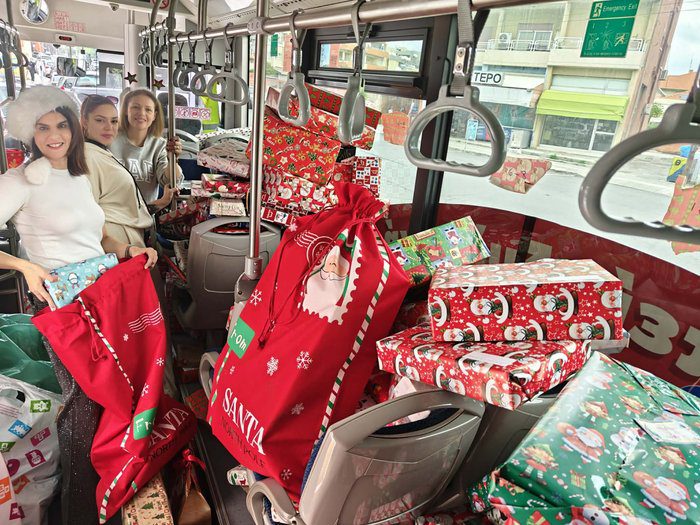
Happy holidays.
Nikos Katsaros


