


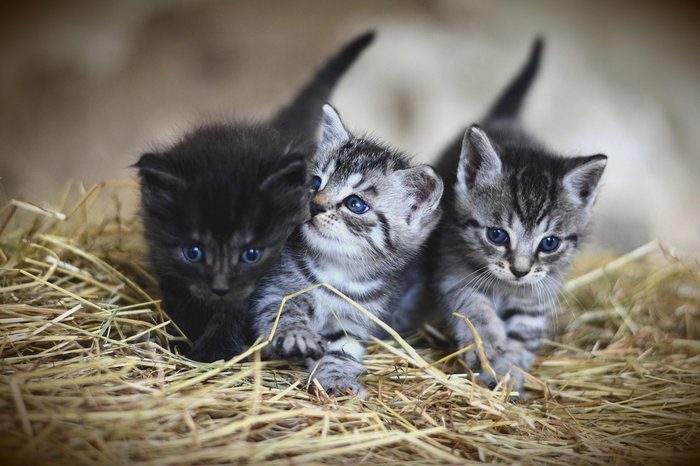
In recent weeks, the Animal Party of Cyprus has received reports of young cats disappearing in various areas of the island. Some reports suggest that foreigners may be involved in their exploitation, but these remain unverified claims.
In its statement, the Party expresses serious concern, noting that the allegations are accompanied by testimonies that reinforce this worry. It states that it is prepared to present the evidence to the Police for further investigation. However, research indicates that the reality is more complex. In a recent observation of a specific neighborhood, where dozens of cats used to roam, it was found that only a few remain – all of which have been neutered. The decline in the cat population is primarily due to irresponsible citizens who neglect or euthanize animals instead of caring for or neutering them.
The mention of “foreign nationals” has sparked reactions, and in some cases, comments that could be deemed racist.
The reference to “foreign nationals” has provoked backlash, leading to comments that can be considered racist. This creates a misleading impression that nationality determines behavior towards animals. The reality is that Europe as a whole is animal-friendly; many countries have strict animal protection laws and a high degree of sensitivity towards them. The issue does not pertain to nationalities but rather to human indifference and lack of responsibility.
Before we hastily seek to discover “which people eat cats” and point fingers at “foreigners,” we must reflect on ourselves as a society. Who poisons animals? Who abandons pets? Who fails to neuter?
The truth is that most cat disappearances in Cyprus stem from our own indifference and violence, not from cultural traits. It is easier to blame others. The more challenging – and honorable – task is to acknowledge reality and take responsibility as a society. Protecting animals is not merely a matter of ethics or charity; it is a matter of culture. When a country neglects or abuses its animals, it sends a message about how it values life. Cyprus, which is preparing to assume the Presidency of the European Union in 2026, must emphasize respect for animal life as a sign of maturity and humanity.
Responsibility towards animals begins with each of us. Neutering, care, regular monitoring, and protection are essential steps to reduce abuse and disappearances. At the same time, society must reject any racist or biased narrative that seeks to attribute violence against animals to a particular nationality. The true threat to cats is indifference, violence, and lack of responsibility, not origin or rumors.
Cyprus can and must become an example in respecting animals. The future of cats and the country’s image depend on our choices today. If we want to protect animals, we must focus on responsible care, prevention of abuse, and respect for their lives. Protecting animals is a sign of civilization, and this begins with each one of us in our neighborhoods and within the broader social fabric.
BY CHRISTINA PELEKANOU


