


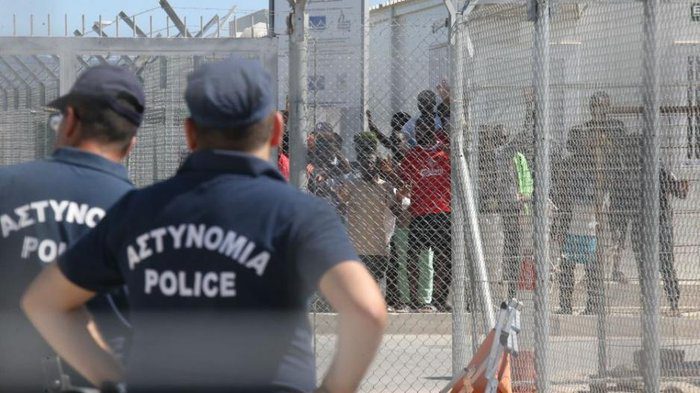
Cyprus has one of the highest levels of xenophobia in Europe, according to the latest European Social Survey (ESS) findings. The research shows a big drop in trust in institutions and a gap between democratic values and how they are put into practice.
Today, the University of Cyprus Field Research Center (PAKEPE), along with the Cyprus University of Technology (TEPAK), announced the start of the European Social Survey (ESS) Round 12 (2025/2026).
The ESS is the most important comparative study currently happening in Europe. It looks at citizens’ views on key political issues and social problems in European countries.
The ESS won the prestigious Descartes Prize in 2005 for its excellent methodology. Until 2013, it was a top priority for the European Commission.
The survey covers current issues related to life in Cyprus and Europe, like democracy, trust in institutions, attitudes towards the EU, migration, work, and political behavior.
The ESS also lets us compare Cypriots living in free areas with people from other European countries over time.
Data Collection Begins
Data collection for this new round started on November 10, 2025. Invitation letters were sent to a small number of randomly selected households. This is enough to represent the whole country reliably.
In each chosen household, the person with the next birthday is asked to participate. This method helps keep the sample random.
The questionnaire can be completed self-administered, either on paper or online, giving participants flexibility and time.
Findings from Previous Rounds
The results from the last two ESS rounds (Round 10 – 2022 and Round 11 – 2024) raise serious concerns for Cypriot society.
Trust in institutions has been on a systematic decline since 2006. The biggest crisis is seen among politicians and political parties. Although there’s been a slight recovery recently, likely due to new party formations, distrust remains strong.
On the other hand, external institutions like the European Parliament and the UN have significantly higher levels of trust compared to local parties and Parliament.
The announcement also highlights concerning figures for democracy. While citizens see democratic principles as very important, their satisfaction with how democracy works in Cyprus is very low. This creates a dangerous gap between values and political reality.
In terms of social cohesion, Cyprus has one of the highest rates of xenophobia in Europe. It ranks among the ten most xenophobic countries out of 31 participating in the latest ESS round.
The decline noted in Round 11 raises alarms for a society under pressure.
Cyprus’s participation in the ESS helps track critical social indicators over time. Each country can add themes that matter to them.
For Cyprus, extra questions focus on the Cyprus problem and intercommunal relations. Related results will be shared in a separate announcement.
The research teams stress that the success of Cyprus’s participation depends on households responding to postal invitations.
The input from these ‘lucky’ households is vital for producing reliable results that are important for public discussions and policy-making.


