


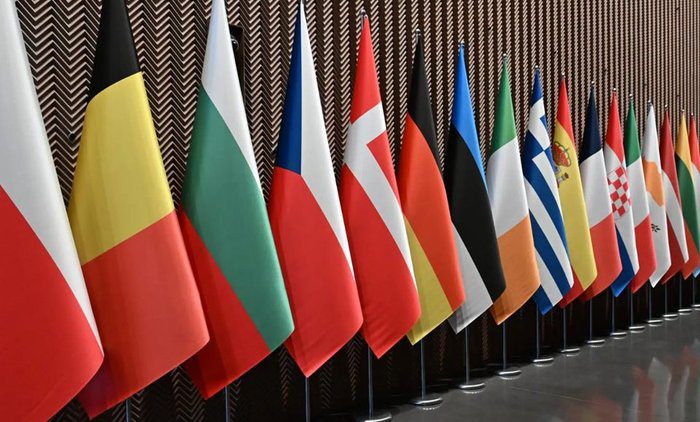
The Republic of Cyprus takes over the Presidency of the Council of the European Union today for the next six months. This comes during a time of big geopolitical, economic, and institutional challenges for Europe. For the second time since 2012, Cyprus will lead European coordination. It aims to be a fair mediator among member states and help strengthen the unity and function of Europe. The main motto for the Cypriot Presidency is ‘Strength through Unity.’
The official opening ceremony for the Cypriot Presidency will be on January 7 at the Cyprus Theatre Organization (THOC). The event will feature an artistic performance called ‘MEMORY – PRESENT – BEYOND.’ This performance tells a layered story about Cyprus’s history, culture, and its role in Europe.
What the EU Presidency Practically Means
The Presidency of the Council of the European Union is not a ‘government of Europe.’ Instead, it has an important institutional role with specific responsibilities. For six months, the country in charge manages and coordinates the Union’s daily operations at the government level.
Coordination and Chairing Meetings
The country holding the Presidency chairs all EU Council meetings—except for those on Foreign Affairs. It organizes and leads discussions among the 27 member states. Its job is to encourage dialogue, resolve disagreements, and find compromises. In simple terms, it holds the ‘steering wheel’ of European negotiations.
Setting Political Priorities
The Presidency sets political and legislative priorities for its term. It decides which issues will move forward quickly and which will stay on the negotiation table. While it can’t make decisions alone, it influences how fast and in what order key issues like economy, green transition, migration, or digital policy are addressed.
Negotiating European Legislation
The Presidency represents the EU Council in talks with the European Parliament and the European Commission about new laws, regulations, and directives. In this role, it acts as an ‘honest mediator,’ working to find common ground and reach agreements.
International Representation and Hosting Events
The Presidency represents the EU in international forums and meetings, mainly at technical and ministerial levels. It also hosts conferences, councils, and informal ministerial meetings in its country. This boosts its diplomatic presence and political visibility while holding the Presidency.
Organizational and Administrative Challenge
Running the Presidency involves hundreds of meetings and a heavier administrative workload. It requires high expertise, preparation, and neutrality. For smaller states like Cyprus, it’s both a challenge and an opportunity: a test of credibility but also a chance to shine on the European stage.


