


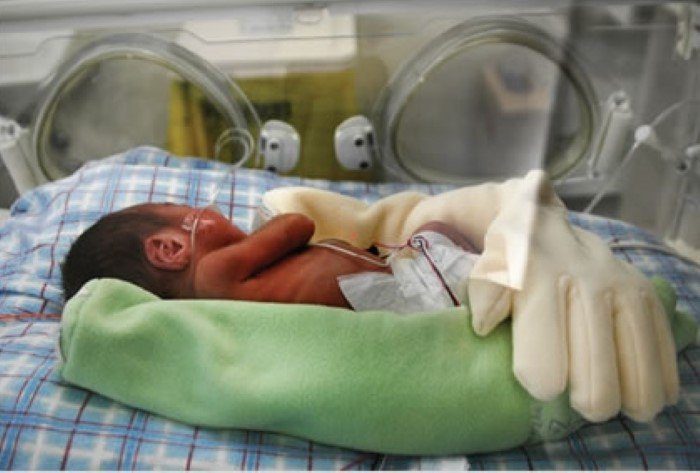
Premature Baby, Premature Emotions: How Parents Experience This Journey
Prematurity refers to the birth of a baby before the 37th week of gestation. The earlier a baby is born, the more immature its organs are, and the greater the need for medical care, often in a Neonatal Intensive Care Unit (NICU).
Prematurity is associated with several challenges, both medical and emotional—and this is where the role of parental psychology becomes crucial.
What Prematurity Means
- The pregnancy is not fully completed, which can affect the baby’s breathing, temperature, digestion, nervous system, and development.
- Extended hospitalization in a NICU, special treatments, respiratory or nutritional support are often required.
- The progression of each premature infant is unique: many babies, with the right care, grow up healthy and strong.
The Role of Prematurity in Parental Psychology
The birth of a premature baby is an emotional whirlwind for parents. They often experience:
1. Shock and Surprise
The delivery happens suddenly, before they have time to prepare—both practically and emotionally.
2. Fear for the Baby’s Health and Survival
Parents hear medical terms, machines, tests, and potential complications, which heightens their anxiety.
3. Feelings of Helplessness
Because the baby is in an incubator and its care primarily relies on medical staff, parents often feel that they “cannot do enough.”
4. Guilt – Even When They Are Not at Fault
Many mothers and fathers feel that “their bodies have betrayed them” or that they could have done something differently. These thoughts are common but entirely unjustified.
5. Emotional Roller Coaster
A daily fluctuation between anxiety, hope, fear, and relief. Every gram gained by the baby, every small improvement brings excitement and strength.
6. Difficulty in Bonding
The physical distance (incubator, limited contact) initially complicates the parent-infant bond. However, the bond develops gradually, even through a gentle touch or “kangaroo” care.
7. Need for Support
Psychologists, neonatologists, and support groups can help parents manage trauma and uncertainty.
What Parents of Premature Infants Need Most
- Simplified updates from doctors
- Emotional support from professionals and family
- Time to take care of themselves
- Encouragement that their bond with their child is built day by day
- Hope based on the baby’s actual progress
Conclusion
Prematurity is a challenging beginning but not an end. Premature infants often grow into children full of strength and resilience. Their parents need support, understanding, and guidance to cope with emotional burdens, regain their roles, and stand by their little fighter.


