


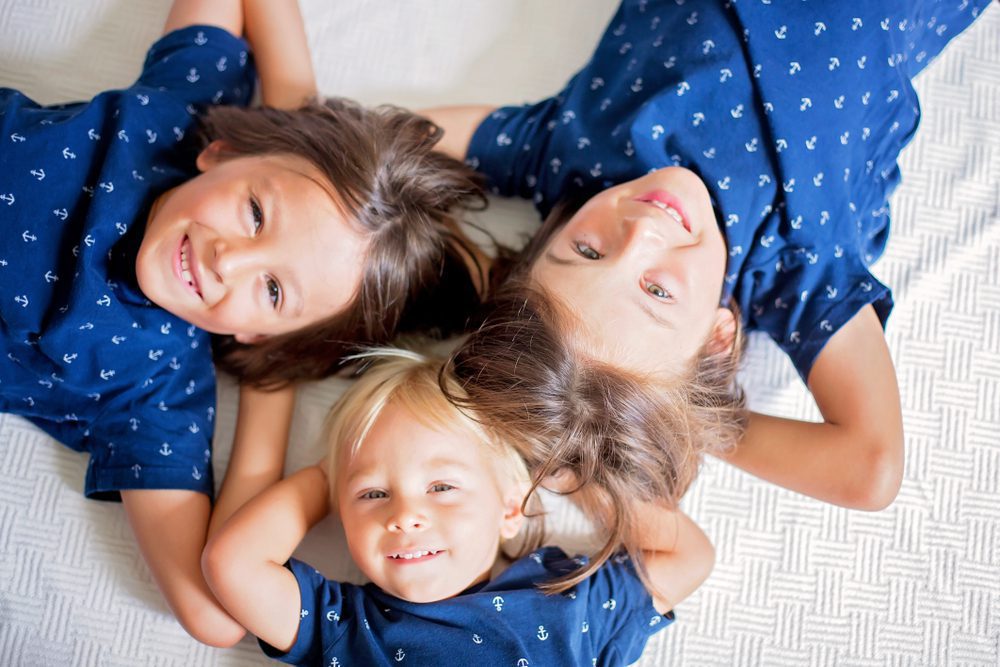
Does our birth order shape our personality? What role does family size play?
A new large-scale study published in the prestigious scientific journal PNAS has found that middle children stand out for particular characteristics such as kindness and cooperation. Researchers analyzed data from more than 700,000 participants to examine how personality traits such as extraversion vary by birth order and family size.
Middle children stood out for their kindness and teamwork.
According to the results, the middle child typically intervenes in fights between siblings and shares toys without being asked, reflecting their ability to compromise and cooperate. The researchers believe that growing up in the company of siblings creates countless opportunities for a child to practice teamwork.
How family size affects identity formation
The study also found that family size, which is the number of siblings a person grew up with, plays a large role in shaping certain personality traits. More specifically:
- People from families with six or more children scored higher on kindness and modesty than people from single-parent families.
- However, only children and firstborns scored slightly higher on measures of openness to new experiences and personality traits such as intellectual curiosity and creativity.
What role do traditions play in shaping personality?
The study found that shared experiences, whether through religious traditions, family routines or social activities, are a factor in helping children in large families develop cooperation and compassion. The researchers noted that any environment that fosters mutual support can enhance these characteristics.
But what about first-born children?
In a study of birth order in families of similar size, it turned out that first-born children scored slightly lower on kindness and modesty than their younger siblings. However, they showed a slight superiority in terms of pioneering in the family.
What makes this study stand out?
Unlike previous studies, this study utilized a detailed personality model that measures six personality traits: kindness (honesty-humble), emotional stability, sociability (extraversion), cooperativeness (kindness), responsibility (conscientiousness), and positive attitudes toward new stimuli. This approach provided more detailed information that is often overlooked.
The validity of the study is further supported by its large and diverse sample. Participants came from a variety of countries, including the US, Canada and the UK, and offered a broader perspective on family dynamics and personal development.
What does this mean for you?
This study reminds us that family dynamics, from the number of siblings to shared experiences, play a crucial role in shaping who we become. Parents creating an environment that fosters cooperation and kindness, whether the family is large or small, must realize that there are long-term consequences. Remember: every family situation is unique, and the most important thing in a relationship is love, experts say.
Parenting, as has been said many times, does not imply perfection, but progress. Encouraging siblings to cooperate, share and support each other builds a strong foundation. Whether your child is the firstborn, middle, youngest, or only child in the family, developing empathy and compassion can help your child become a better person.
Source:imommy.gr
News Source bebemou.com Information is used under fair use of content and is not used for commercial gain.


