


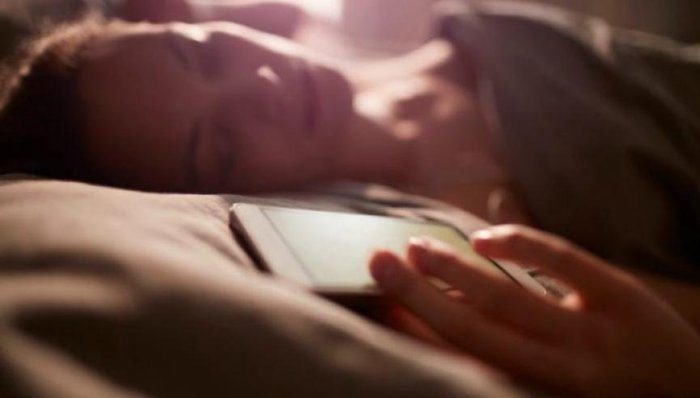
The question of whether smartphones raise the risk of suicide isn’t straightforward. New research shows that using a phone at night can worsen suicidal thoughts in those already at risk. However, how you use it matters: passive use feels heavy, while active use—like typing—might help.
Experts pay special attention to nighttime when sleep issues can make emotions more vulnerable. We still don’t know much about which habits we can change, but heavy smartphone use at night is a growing trend.
Phones can disrupt sleep with blue light, triggering content, and constant notifications. Studies reveal that using phones before bed, messaging at night, and waking up to notifications lead to poor sleep, more stress, and greater emotional distress.
Not all phone use affects us the same way. Passive scrolling can lead to feeling isolated and down, while active chatting and posting can bring about positive feelings and may ease distress.
A research team from the University of Wisconsin looked at 79 adults who recently had suicidal thoughts or actions. For 28 days, smartphones captured screen activity every five seconds, while participants answered short daily questions. Active use was tracked by detecting keyboard activity on the screen.
Researchers noted three types of nighttime use: no phone use from 8 p.m.–10 a.m., using it during sleep, and hourly use from 11 p.m.–8 a.m. They combined this data with levels of passive and active suicidal thoughts the next day.
The study published in JAMA found that the best ‘break’ from phones for mental health is 7–9 hours. Breaks of 4–7 hours or over 9 hours were linked to more suicidal thoughts, while less than 4 hours also showed higher levels.
Using phones between 11 p.m. and 1 a.m. was especially harmful, leading to stronger suicidal thoughts the next day. On the other hand, typing between 1 and 5 a.m. was linked to a lower risk.
The researchers concluded that nighttime phone behavior is a key sign of mental health: late-night use raises vulnerability, while active social use in the early morning might help protect against it.


